

Rabia Mustafa
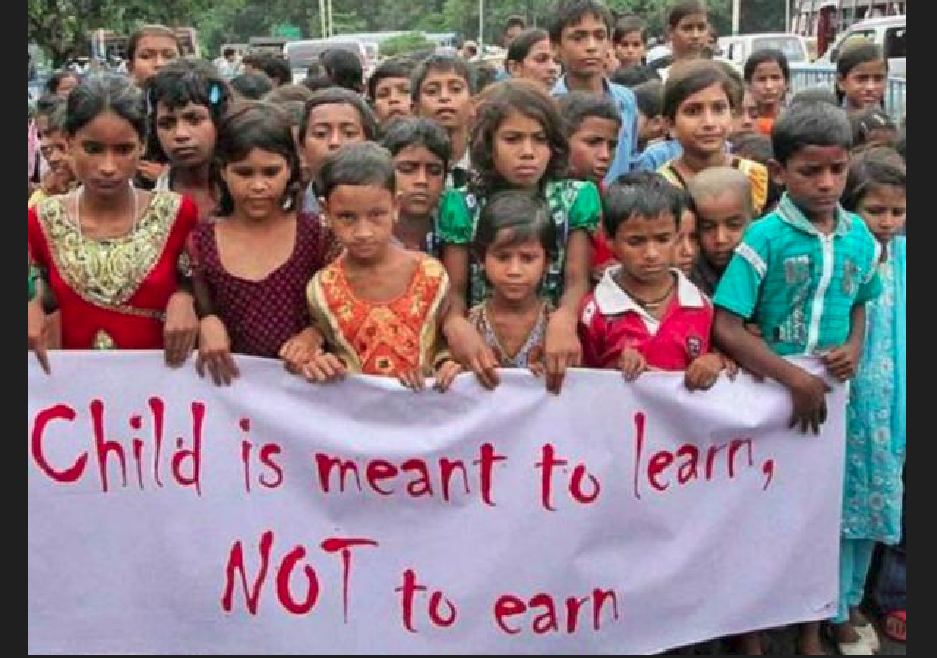
World Day Against Child Labour is observed on 12 June to raise awareness about one of the most persistent violations of children’s rights and to mobilize action towards its elimination. In 2002, the International Labour Organization (ILO) established this day to emphasize that childhood should be a period of learning, growth, play, and development, not exploitation, hazardous work, or economic survival.
Child labour is not an economic issue; it is fundamentally a human rights issue. The international legal framework against child labour is robust. Key instruments include the ILO Convention No. 138 concerning the Minimum Age for Admission to Employment and ILO Convention No. 182 concerning the Worst Forms of Child Labour, the United Nations Convention on the Rights of the Child (UNCRC), and the Sustainable Development Goals (SDGs) Target 8.7, which calls for immediate and effective measures to eradicate child labour in all its forms.
Article 1 of the ILO Convention No. 138 clearly states to take effective measures to secure the prohibition and elimination of the worst forms of child labour as a matter of urgency. Article 32 of the CRC recognizes every child’s right to be protected from economic exploitation and from hazardous work, interferes with education, or harms the child’s physical, mental, spiritual, moral, or social development. To give effect to this right, States are required to establish minimum ages for employment, regulate working conditions, and enforce child labour laws through appropriate penalties and safeguards. Child labour is not merely a breach of Article 32 of the CRC; it frequently results in the violation of a range of interconnected rights protected under the Convention, including the right to education (Article 28), protection from abuse, neglect, and exploitation (Article 19), protection from sexual exploitation (Article 34), protection from trafficking and sale of children (Article 35), and protection from all other forms of exploitation prejudicial to a child’s welfare (Article 36).
The theme for World Day Against Child Labour 2026 is “Red Card to Child Labour: Fair Play for Children, Decent Work for Adults.” Drawing inspiration from the universal language of sports, the theme is a clear message that child labour has no place in a civilized society. It emphasizes that eliminating child labour requires not only protecting children but also ensuring decent employment opportunities, fair wages, and social protection for adults so that families are not forced to rely on children’s labour for survival.
Despite decades of progress, nearly 138 million children are still engaged in child labour, including approximately 54 million involved in hazardous work that threatens their health, safety, education, and development. Nearly one in three children engaged in child labour are being denied their right to education. This day emphasizes that every child has the right to a safe childhood, quality education, and opportunities for healthy development. The global community must commit to ending child labour in all its forms through stronger laws, social protection systems, and decent work for families.
The persistence of child labour is linked to poverty, unemployment, inequality, weak labour inspection systems, lack of educational opportunities, conflict, displacement, and social vulnerabilities. In many communities, families struggling to meet basic needs may see no alternative but to send their children to work. Consequently, efforts to eradicate child labour must address its root causes rather than merely its symptoms. This requires comprehensive social protection systems, access to quality education, poverty reduction measures, and sustainable livelihood opportunities for families.
Child labour remains a serious challenge in Pakistan, where thousands of children are engaged in domestic work, brick kilns, agriculture, informal labour, and other exploitative sectors. Many child labourers are exposed to hazardous working conditions, physical and sexual abuse, trafficking, bonded labour, and separation from their families, often driven by poverty, lack of education, and unemployment. Articles 3 and 11 of the Constitution of Pakistan aim to abolish all forms of exploitation and ban slavery and forced labour. The Government of Pakistan has enacted laws to prevent the employment of children. Moreover, Pakistan has signed CRC and, as a state party, is committed to protecting the rights of all Pakistani children while ensuring them health, education, nutrition, entertainment and all other rights.
Federal and provincial governments in Pakistan passed child protection and prevention of child labour-related legislations to protect children from domestic labour and other forms of child exploitation. In this regard, the following laws can be consulted:
- The Employment of Children Act, 1991
- The Khyber Pakhtunkhwa Child Protection and Welfare Act, 2010
- The Sindh Child Protection Authority Act, 2011
- The Balochistan Child Protection Act, 2016
- The Sindh Prohibition of Employment of Children Act, 2017
- The Prevention of Trafficking in Persons Act (PTPA) 2018
- The Islamabad Capital Territory Child Protection Act, 2018
- The Punjab Domestic Workers Act, 2019
- The Khyber Pakhtunkhwa Home Based Workers Welfare and Protection Act, 2021
- The Islamabad Capital Territory Domestic Workers Act, 2022
All these laws explain the issues of minimum age for child labour, various forms of child exploitation, what is the ‘best interest of a child’, child at risk, child protection processes, institutions for child protection, child protection courts, punishments for those who force child for labour and other harmful practices, and so on.
However, CRC is alarmed about the extremely high number of children involved in child labour. The Committee is concerned about the issues such as hazardous and slavery-like conditions in domestic servitude and prostitution; reports of abuse and torture of working children, including child domestic workers, in some cases leading to the deaths of such children, mainly girls; absence of nationwide or provincial studies on the extent of child labour; insufficient programs and mechanisms to identify and protect child victims of forced labour, particularly bonded labour and child labour in the informal sector, including domestic work; low minimum age for hazardous work, namely 14 years; and inadequate sufficiently trained inspectors, their vulnerability to corruption and a lack of resources to inspect workplaces.
CRC recommended Pakistan to take action to end child labour, particularly the worst forms, by addressing root causes; monitor workplaces that employ children; end bonded and forced labour of children, and bring those responsible to justice; conduct a survey to assess the extent of child labour, develop programs to identify and protect child victims of forced labour and child labour in the informal sector; strengthen the labour inspectorate by eradicating corruption and providing necessary support, including expertise on child labour, to monitor labour law standards and handle complaints; establish minimum ages for employment in accordance with international standards and enforce them, and seek technical assistance from the International Programme on the Elimination of Child Labour of the International Labour Organization.
Despite constitutional guarantees, international commitments under CRC, and a range of federal and provincial laws aimed at preventing child labour and protecting children, the problem persists on a large scale. The issue must also be viewed through the broader lens of child rights and social justice. Every child has the right to education, dignity, protection, and an opportunity to realize his or her full potential. Investing in children is a moral obligation and it is an investment in national development. Societies that protect their children create stronger foundations for prosperity, innovation, and peace.
Protecting childhood is not charity; it is justice. Ensuring that every child enjoys a safe, healthy, and dignified childhood is among the greatest responsibilities of any society and one of the strongest measures of its humanity.
