Rabia Mustafa
Every year on 5 April, the world observes the International Day of Conscience, a global reminder that peace begins with individual moral awareness. The day emphasizes that the decisions we make, guided by conscience, shape not only our personal lives but also the direction of societies and nations. It is a moment for reflection, empathy, and renewed commitment to justice, tolerance, and human dignity.
The International Day of Conscience was established by the United Nations General Assembly in 2019 through Resolution 73/329, and it has been observed annually since 2020. The purpose of this observance is to promote a culture of peace grounded in love, compassion, and moral responsibility. The United Nations describes the day as an opportunity to reflect on our actions and recognize conscience as a guiding force in building “a harmonious, fair, and inclusive world.” It highlights the importance of collective responsibility, solidarity, and ethical decision-making in fostering global peace.
Conscience refers to the inner voice that helps individuals distinguish right from wrong. It guides ethical behavior, encourages fairness, and promotes respect for others. The observance emphasizes that nurturing conscience contributes to peaceful coexistence and mutual understanding across cultures. In an increasingly polarized world marked by conflict, inequality, and social tensions, the role of conscience becomes even more significant. Acting with compassion and moral clarity can help address global challenges such as violence, discrimination, poverty, and environmental degradation.
The concept behind this day is closely linked to the United Nations’ long-standing initiative to promote a “culture of peace.” This vision emerged from global discussions on embedding peace into everyday life and was later formalized through international declarations encouraging non-violence, tolerance, and dialogue.
The International Day of Conscience is particularly relevant in contemporary times for several reasons:
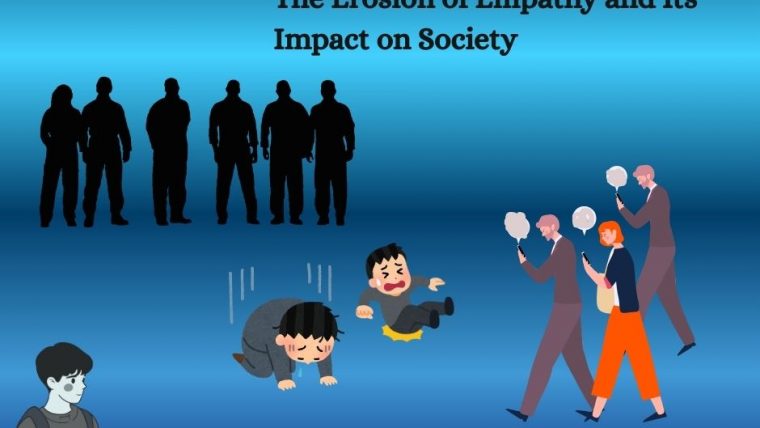
- Growing social divisions require empathy and understanding.
- Global conflicts highlight the need for dialogue and moral leadership.
- Human rights challenges demand ethical accountability.
- Climate and environmental crises call for responsible decision-making.
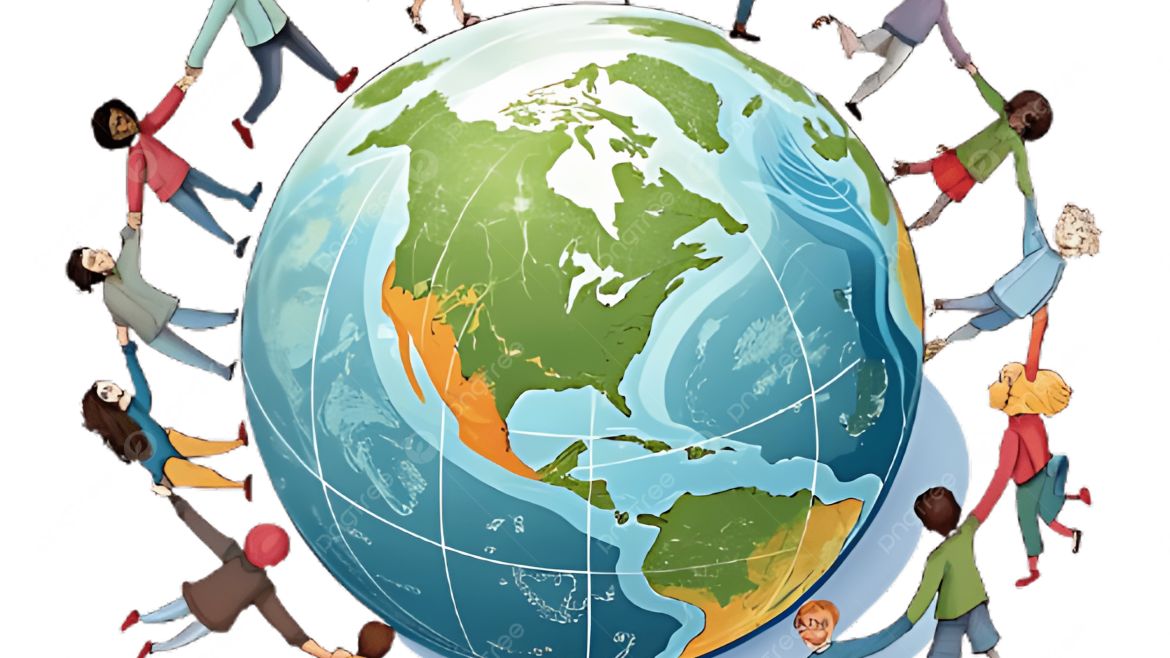
By encouraging self-reflection and ethical conduct, the day reminds us that sustainable peace cannot be achieved without moral awareness and shared humanity.
By observing the International Day of Conscience, the global community acknowledges that peace is not only the responsibility of governments and institutions, but it also begins with individuals and their everyday choices. Every day, we encounter various situations in which we have to act, and a single action can change the outcome either positively or negatively. For example, someone comes to you for career advice, but you are not in a position to advise properly, or it may not be your area of expertise. What would you do? Simply turn him or her down and continue with your own work, thinking it is not your obligation? Yet, it is also a matter of morality to try to guide him or her. You might think morality is a personal choice, and therefore there is no need to go through inconvenience for someone else. Perhaps you are right in one sense, but consider finding a way to help, perhaps by recommending someone more suitable. Your few minutes might change a person’s life in a positive way.
When you guide someone, recommend a better person, or simply listen patiently, you promote cooperation instead of indifference. These actions encourage dialogue, mutual respect, and solidarity, all of which are essential components of peaceful communities. Over time, such behaviour becomes a habit. One helpful act inspires another, gradually shaping social norms that favour compassion over selfishness. This is precisely how a culture of peace develops, through countless small decisions taken by individuals every day. Even a few minutes of kindness, fairness, and guidance can ripple outward, strengthening harmony within families, institutions, and society at large.
This day encourages practical actions such as promoting tolerance, encouraging dialogue, supporting human rights, and developing education that promotes the culture of peace. If we analyze these practical actions as citizens of Pakistan, certain questions arise: can we answer them positively?
- Are we promoting tolerance and respect in our communities?
- Are we encouraging dialogue across cultural and religious differences?
- Are we supporting human rights and justice initiatives?
- Are we engaging in personal reflection and ethical decision-making?
- Are we developing education that emphasizes the values of peace and compassion?
- Do even small acts of kindness, fairness, and integrity contribute to a broader culture of peace?
If there is even one “yes” to one of these questions, we should feel encouraged; if not, we really need to do some serious thinking.
The International Day of Conscience is not merely a symbolic observance; it leaves us with important questions to answer and an opportunity to improve ourselves. It is not only a global call to action but also a serious reminder urging individuals and communities to align their decisions with moral responsibility. When conscience guides our choices, it strengthens social harmony, promotes justice, and builds a peaceful world. Peace, ultimately, begins within each of us. By listening to our conscience and acting with compassion, we take meaningful steps toward a more humane and inclusive future.
The writer is Director Research and Publications at SLD