

Rabia Mustafa
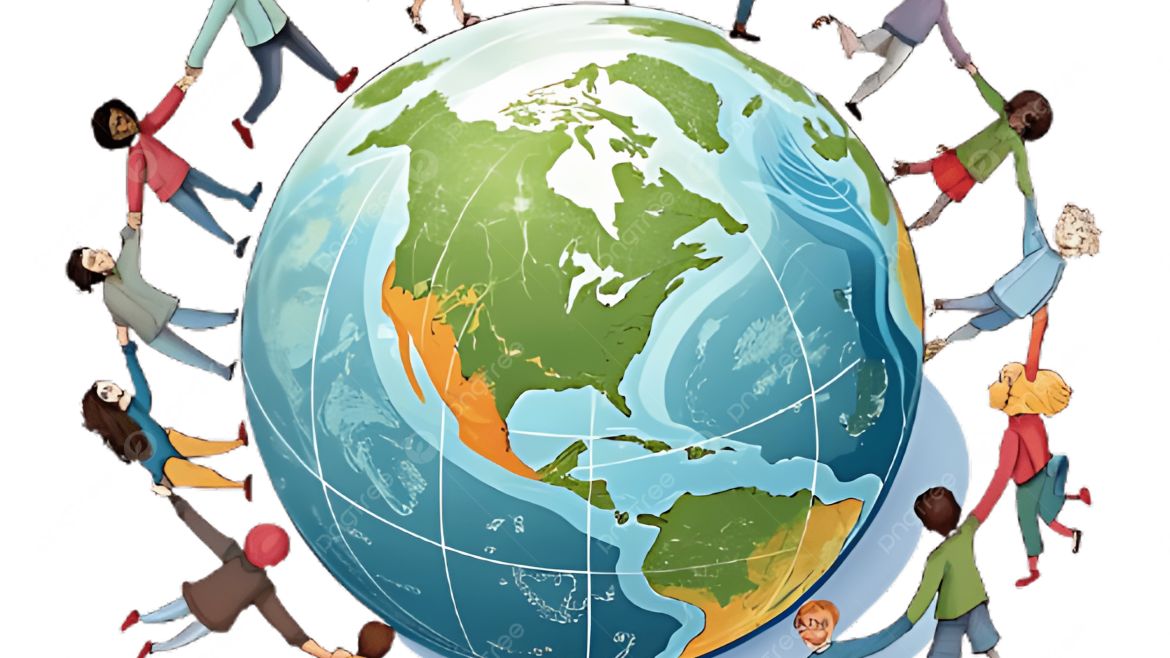
Every year on 21 May, the international community observes the World Day for Cultural Diversity for Dialogue and Development, a day led by UNESCO and recognized by the United Nations to celebrate the richness of human cultures and the importance of dialogue among civilizations. The observance reminds the world that cultural diversity is not merely about traditions, languages, food, or art; it is about human dignity, peaceful coexistence, and mutual respect.
In an increasingly interconnected and yet divided world, cultural diversity has become one of humanity’s greatest strengths. Societies today are shaped by migration, globalization, technology, and constant interaction between people of different identities. While these interactions create opportunities for learning and innovation, they also present challenges of intolerance, discrimination, extremism, and social fragmentation. This day carries a powerful message: diversity should not divide humanity; rather, it should unite societies through dialogue and understanding.
Cultural diversity contributes significantly to economic progress. The creative and cultural sectors generate millions of jobs globally and provide opportunities particularly for youth and women. From literature and film to music, tourism, handicrafts, and digital creativity, cultural industries strengthen economies while preserving identities. At the same time, cultural exchange promotes innovation by encouraging societies to learn from one another. Countries that embrace diversity often become centers of creativity, education, tourism, and international cooperation.
In recent years, UNESCO has strengthened this understanding through the UNESCO Culture 2030 Indicators framework, which measures how culture contributes to sustainable development. The UNESCO framework identifies four major dimensions through which culture contributes to development: 1) Environment and Resilience, 2) Prosperity and Livelihoods, 3) Knowledge and Skills, and 4) Inclusion and Participation.
Under Environment and Resilience, UNESCO recognizes that cultural heritage and indigenous knowledge systems contribute significantly to environmental protection and disaster resilience. Traditional methods of architecture, water management, agriculture, and community living often contain sustainable practices developed over centuries. In countries vulnerable to climate change and disasters, cultural resilience becomes an important component of national resilience.
The Prosperity and Livelihoods highlights the economic importance of culture. Creative industries such as film, music, publishing, crafts, fashion, and digital arts generate millions of jobs globally. The cultural sector particularly creates opportunities for youth and women, supports entrepreneurship, and contributes to national economies. UNESCO increasingly emphasizes that investment in culture is also an investment in employment, innovation, and economic sustainability.
The Knowledge and Skills focuses on education, cultural literacy, and transmission of knowledge. Societies that value cultural education often promote greater tolerance, critical thinking, and social cohesion. Through schools, museums, libraries, literature, arts, and media, culture shapes how societies understand themselves and others. Cultural education encourages dialogue rather than prejudice and helps younger generations appreciate diversity instead of fearing it.
The Inclusion and Participation reflects perhaps the most important aspect of cultural diversity: the ability of all communities to participate equally in cultural, social, and public life. UNESCO indicators examine whether women, minorities, indigenous groups, youth, and marginalized communities have equal access to cultural participation and representation. Inclusive cultural policies strengthen democratic values, social trust, and national unity. When communities feel represented and respected, societies become more stable, cohesive, and peaceful.
Yet the preservation and promotion of cultural diversity remain significant challenges. Many local languages face decline, historical heritage sites require stronger protection, and traditional arts struggle against economic pressures and globalization. Cultural participation also remains unequal, particularly for women and marginalized groups. UNESCO’s indicators therefore provide an important framework for countries like Pakistan to evaluate how culture contributes to national development and social harmony.
For Pakistan, cultural diversity is both a historical reality and a national strength. Pakistan is home to multiple languages, ethnicities, traditions, regional identities, and religious communities. From the mountains of Gilgit-Baltistan to the deserts of Balochistan, from Sindhi, Punjabi, Pashtun, Balochi, Kashmiri, and Saraiki traditions to the rich heritage of minority communities, the country reflects remarkable cultural richness. Preserving this diversity through national unity, tolerance and inclusion is essential for social harmony and democratic development.
Educational institutions, media organizations, civil society groups, and governments all have a role to play in promoting cultural diversity. Schools and universities should encourage intercultural learning and respect for differences. Media should avoid stereotypes and promote inclusive narratives. Policymakers should protect cultural heritage, support local artists, and ensure that minority communities have equal opportunities to participate in national life. Cultural preservation should not be treated merely as nostalgia; it should be viewed as an investment in peace and sustainable development.
True development cannot exist without respect for human cultures, identities, and dignity. Diversity is not a weakness to be managed; it is a strength to be celebrated. Through dialogue, mutual respect, and cultural understanding, humanity can build a more peaceful and sustainable future for all.

