Rabia Mustafa
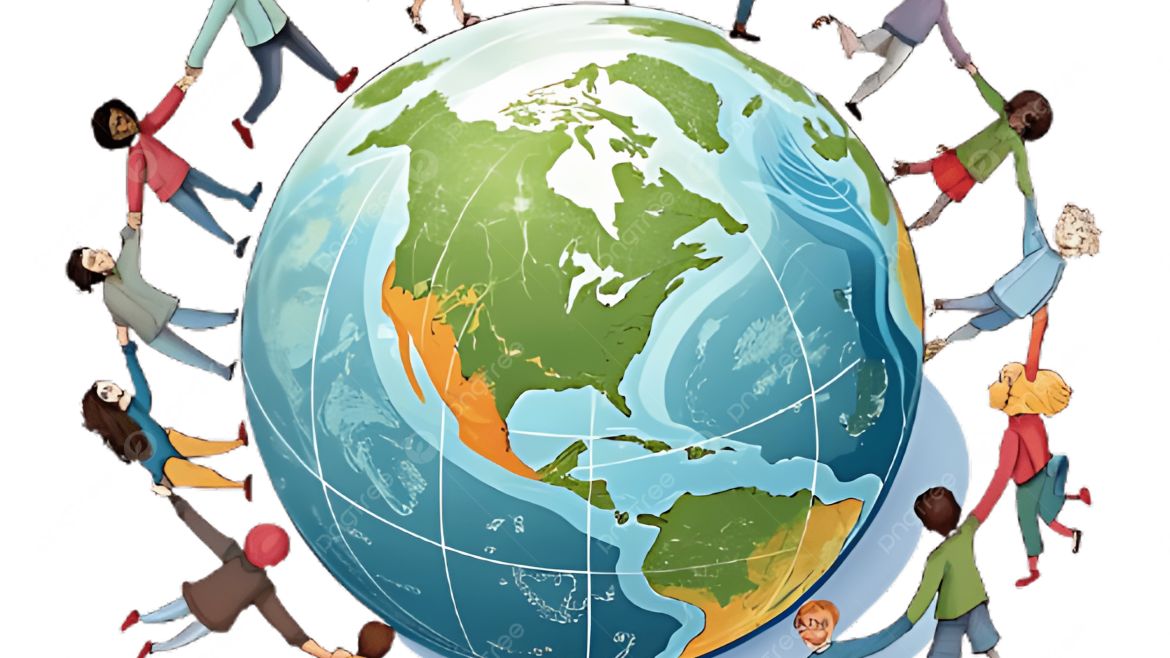
The international community observes the International Day of Living Together in Peace every year on 16th May, a global occasion dedicated to promoting peace, tolerance, inclusion, solidarity, and mutual understanding among peoples and nations. The day was proclaimed by the United Nations General Assembly in 2017 as a reminder that sustainable peace cannot be achieved merely through the absence of war; rather, it requires dialogue, coexistence, respect for diversity, and collective commitment to humanity. In a world increasingly affected by armed conflicts, political polarization, hate speech, religious intolerance, forced displacement, and social fragmentation, the relevance of this international day has become even more significant. The observance calls upon individuals, communities, institutions, and governments to “live and act together, united in differences and diversity,” thereby fostering reconciliation and peaceful coexistence.
The idea of peaceful coexistence is deeply rooted in the broader United Nations vision of a “culture of peace.” This vision was formally articulated through the Declaration and Programme of Action on a Culture of Peace adopted by the General Assembly in 1999. The Declaration defines a culture of peace as a set of values, attitudes, traditions, and behaviours based on respect for life, human rights, equality, democracy, tolerance, dialogue, and non-violence.
Importantly, the UN framework recognizes that peace is not merely a political arrangement among states but also a social and moral responsibility within communities. The Programme of Action identifies several areas necessary for building a culture of peace, including education, sustainable development, gender equality, democratic participation, freedom of expression, and respect for human rights.
Education occupies a central place within the concept of living together in peace. The United Nations and UNESCO have repeatedly emphasized that intolerance, discrimination, and violence are often rooted in ignorance, prejudice, and fear of differences. Therefore, educational institutions must promote empathy, critical thinking, intercultural understanding, and peaceful conflict resolution from an early age.
At a societal level, living together in peace also requires inclusive governance and equal access to justice. Marginalization, poverty, discrimination, and social exclusion often create environments in which conflict and extremism flourish. Peaceful societies are therefore built not only through diplomacy but also through fair laws, accountable institutions, protection of human rights, and equal opportunities for all citizens regardless of religion, ethnicity, gender, language, or social status.
The importance of this principle can be observed across the world today. Conflicts in different regions, rising xenophobia, religious hatred, and digital misinformation continue to threaten social cohesion and international peace. In such circumstances, the International Day of Living Together in Peace serves as a moral and legal reminder that humanity shares a common future. Dialogue must replace hatred, cooperation must replace division, and understanding must prevail over prejudice.
For Pakistan, the observance carries particular significance. Pakistan’s social fabric is characterized by cultural, ethnic, linguistic, and religious diversity. Promoting peaceful coexistence, tolerance, interfaith harmony, and constitutional rights is therefore essential for national unity and sustainable development. Educational reforms, community engagement, youth participation, and access to justice can play a transformative role in strengthening peace within society.
The Institute for Economics and Peace measures global peace through the Global Peace Index, which is based on 23 indicators grouped under the categories of ongoing conflict, societal safety and security, and militarisation. These indicators include the number and duration of internal and external conflicts, deaths from organized conflict, intensity of internal conflict, relations with neighbouring countries, political instability, perceptions of criminality, homicide rates, violent crime, likelihood of violent demonstrations, terrorism impact, number of jailed persons, number of internal security officers and police, access to small arms and light weapons, level of violent crime, refugees and internally displaced persons, military expenditure as a percentage of GDP, volume of transfers of major conventional weapons, nuclear and heavy weapons capabilities, ease of access to weapons, size of armed forces, military sophistication, and UN peacekeeping funding. Together, these indicators demonstrate that peace is not simply the absence of war, but the presence of social stability, effective governance, human security, justice, tolerance, and reduced levels of violence within and between societies.
Pakistan ranks 144th out of 163 states and territories on the Global Peace Index. The report covers 163 independent states and territories, which collectively account for 99.7% of the world’s population. This means a small number of sovereign nations and autonomous territories are excluded from the index. Within South Asia, it ranks sixth out of seven countries, positioned just above Afghanistan. South Asia itself remains the second least peaceful region in the world and has experienced the largest regional decline in peacefulness in recent years. According to the report, this deterioration has been driven by factors such as repressive measures in Bangladesh under the Hasina government, as well as heightened civil unrest and increasing internal and cross-border tensions in Pakistan. While such rankings should be interpreted with care, as they may not fully capture the complexities of all indicators and data can be misleading, they raise serious concerns. In Pakistan, as indicated by the National Commission on the Rights of Pakistan (NRCP) via yearly reports, incidents reported daily continue to reflect growing social tensions within a society characterized by significant cultural, ethnic, linguistic, and religious diversity. These realities underline the urgent need to strengthen tolerance, social cohesion, dialogue, and peaceful coexistence within the country.
Let us go back and read those indicators of peace again and honestly analyze what is happening in Pakistan. Let us ask ourselves some difficult but necessary questions as citizens:
- Do we have peaceful and cooperative relations with our neighbouring countries?
- Are internal conflicts decreasing, or are tensions increasing within society?
- How many lives are still being lost to violence, terrorism, and organized conflict?
- Do citizens genuinely feel safe in their homes, streets, workplaces, and educational institutions?
- Has violent crime become normalized in our daily lives?
- Is political instability weakening social harmony and democratic culture?
- Are violent demonstrations and hate-driven incidents becoming more frequent?
- Do we feel secure expressing different opinions, beliefs, or identities without fear?
- How much trust exists between citizens and state institutions?
- Is intolerance based on religion, ethnicity, language, sect, or culture damaging national unity?
- How easily can weapons and firearms be accessed within society?
- Are hostility and aggression increasingly visible in public discourse and social media?
- Are we investing more in human development, education, justice, and welfare, or in confrontation and militarisation?
- Are children and young people growing up in an environment of peace, tolerance, and opportunity?
- Do our schools, media, and political spaces promote dialogue and coexistence?
- Is justice accessible equally to ordinary citizens, or only to the powerful and privileged?
- Are we addressing poverty, inequality, unemployment, and social exclusion, which often fuel unrest and violence?
These are not merely questions raised by one individual. These are the very questions the Institute for Economics and Peace asks when measuring peace, stability, justice, and human security within societies. International institutions, researchers, policymakers, and global peace frameworks seek answers to these questions when assessing the condition of nations. The concern, therefore, is not whether one person asks these questions, but whether we as a society are honestly prepared to answer them through our actions, institutions, and collective behaviour.
As Pakistanis, there must be courage to honestly ask these questions and the sincerity to seek answers beyond political slogans, blame, and emotional reactions. Peace is not built only by governments, institutions, or international organizations; it is built daily through the attitudes, behaviour, and choices of ordinary people. Every individual effort matters. The way people speak to one another, tolerate differences, respect laws, treat minorities, educate children, use social media, and respond to disagreement all contribute either to peace or division. A peaceful society cannot emerge where intolerance, violence, and injustice are normalized. If we truly wish to see a stable, secure, and prosperous Pakistan, then each citizen must become part of the solution by promoting dialogue instead of hostility, empathy instead of prejudice, and coexistence instead of polarization. Real peace begins when individuals accept responsibility for creating a culture of respect, justice, compassion, and humanity within their homes, communities, and institutions.
However, regardless of the perception created by international rankings and peace indicators, Pakistan also demonstrated its potential as a constructive actor in global peacebuilding efforts when it emerged as a mediator between the United States and Iran during escalating regional tensions in 2026. Pakistan facilitated diplomatic communication, hosted negotiations in Islamabad, and played a role in efforts aimed at ceasefire arrangements between the two states but the impact was on entire world. These developments reflected Pakistan’s strategic importance, diplomatic capacity, and historical ability to engage with competing regional and global powers. They also showed that despite internal challenges, Pakistan possesses the potential to contribute positively toward regional stability, dialogue, and international peace.