Rabia Mustafa
Language possesses immense power to shape human behaviour, social relations, and public discourse. When used responsibly, it can foster understanding, reconciliation, and peace; however, when used irresponsibly, it can generate hatred, division, and violence. Although freedom of expression is a fundamental right, it does not extend to speech that humiliates, stereotypes, or incites hostility against individuals or groups. Such expressions constitute hate speech and may be communicated through spoken, written, or symbolic forms.
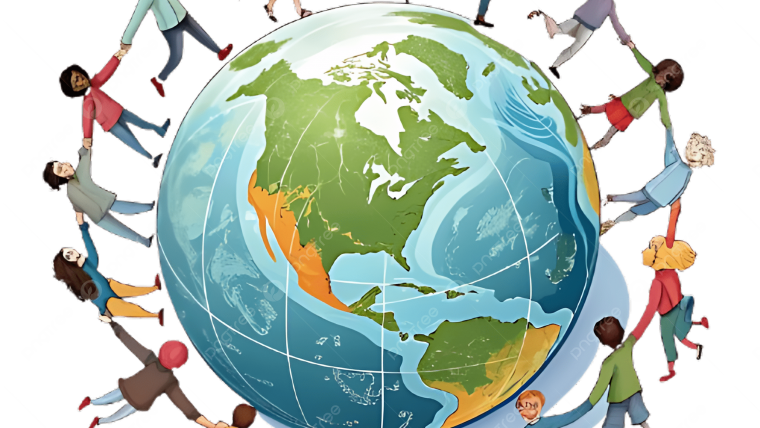
Every year on 18 June, the world observes the International Day for Countering Hate Speech. This day is dedicated to promoting tolerance, inclusion, dialogue, and respect for diversity. The day was established by the United Nations General Assembly in recognition of the growing threat posed by hate speech to human rights, social cohesion, and peace. It builds upon the United Nations Strategy and Plan of Action on Hate Speech launched by the Secretary-General on 18 June 2019.
In an increasingly interconnected world, hate speech has become one of the most serious challenges facing societies. Digital technologies and social media platforms have enabled information to spread across borders within seconds. While these technologies provide unprecedented opportunities for communication, they have also amplified intolerance, discrimination, misinformation, and hostility against individuals and groups based on their religion, ethnicity, nationality, race, gender, or other identity characteristics.
The United Nations describes hate speech as communication in speech, writing, or behaviour that attacks or uses discriminatory or derogatory language against a person or group based on their identity. Hate speech may occur online or offline and can take many forms, including verbal abuse, discriminatory rhetoric, inflammatory political discourse, hateful memes, disinformation campaigns, and incitement to hostility or violence.
The dangers of hate speech extend far beyond offensive language. History demonstrates that persistent hate narratives can dehumanize communities, fuel discrimination, and encourage violence. The United Nations has repeatedly emphasized that hate speech has served as a precursor to some of the world’s gravest human tragedies, including genocide and other atrocity crimes.
Recognizing these risks, the United Nations Strategy and Plan of Action on Hate Speech seeks to address both the root causes and the consequences of hate speech. The Strategy encourages governments, civil society organizations, educational institutions, media organizations, religious leaders, technology companies, and individuals to work together in preventing and responding to hate speech. Rather than relying solely on legal restrictions, the Strategy promotes education, public awareness, positive narratives, dialogue, digital literacy, and community engagement as essential tools for building inclusive societies.
A central challenge in addressing hate speech is maintaining the delicate balance between combating harmful expression and protecting freedom of expression. International human rights law recognizes freedom of opinion and expression as a fundamental right. At the same time, it prohibits advocacy of hatred that constitutes incitement to discrimination, hostility, or violence. Effective responses therefore require careful, rights-based approaches that protect democratic freedoms while preventing harm to vulnerable groups.
The rise of artificial intelligence has added a new dimension to this challenge. AI-powered systems can rapidly amplify content and shape public discourse. Biased algorithms, automated recommendation systems, and generative technologies can contribute to the spread of hateful content at unprecedented speed. Recent United Nations discussions have highlighted the relationship between hate speech and artificial intelligence, emphasizing the need for ethical governance, accountability, and human rights safeguards in digital technologies.
For Pakistan, where society is characterized by rich religious, ethnic, linguistic, and cultural diversity, countering hate speech is essential for strengthening social harmony and constitutional values. In Pakistan, women, along with religious minorities and transgender persons, are frequently subjected to hate speech. Women in politics are especially vulnerable to sexist and derogatory remarks that focus on their appearance, personal lives, or gender rather than their abilities and achievements.
Hate speech has become a significant societal challenge in Pakistan, where factors such as religious extremism, political polarization, gender discrimination, class divisions, educational influences, and the misuse of social media contribute to its spread. Political leaders, religious figures, media, and general public on social media often play a role in amplifying provocative rhetoric that can influence public attitudes and behaviour. Through several examples, the dangerous consequences of hate speech can be understood. One can find the manifestation of hate speech in religious, political, ethnic, and geographical dimensions. A man was brutally killed by the mob. The reason behind this tragic incident was a statement he made, which was deemed to be sensitive for the mob. It has been frequently observed that during conflicts or protests, people often chant slogans such as “We will burn” which results in dire consequences.
There is a necessity for a comprehensive approach to addressing hate speech through the promotion of peaceful and responsible language practices, greater inclusivity, and constructive dialogue. There is need to examine the causes, forms, and impacts of hate speech to better understand how language contributes to violence and how it can instead be used as a tool for peacebuilding and social cohesion in Pakistan.
Countering hate speech is not solely the responsibility of governments or technology companies. Every individual has a role to play. Citizens can challenge misinformation, promote respectful dialogue, support victims of discrimination, and refuse to amplify hateful narratives. Educational institutions can foster critical thinking and media literacy. Journalists and media organizations can ensure responsible reporting that avoids stereotyping and stigmatization. Technology companies can strengthen moderation systems while respecting human rights and due process. Policymakers can develop balanced legal and regulatory frameworks that address incitement to violence while protecting legitimate expression. For example, the efforts of the National Commission on the Status of Women (NCSW), which proposed a Code of Ethics to prevent hate speech against women in politics, is commendable.
Words matter, whether peaceful or hateful. Language can divide societies or it can also build understanding and strengthen peace.